

As winter approaches, our homes naturally shift inward. We spend more time inside, rely more on ambient lighting, and gravitate toward spaces that feel comfortable and settled. Wall art plays a larger role during this season than many people realize. It sets the visual temperature of a room and helps create a sense of calm when the world outside feels quieter and darker. Transitioning to winter wall art does not require starting from scratch. With a few thoughtful updates, your existing gallery walls and framed pieces can feel perfectly suited for the season.
Begin by Editing, Not Replacing
The easiest way to transition your wall art for winter is to start by editing what you already have. Many homes carry artwork year round that leans lighter, brighter, or more energetic, which works beautifully in spring and summer but can feel slightly out of place once winter arrives. Rather than replacing everything, remove a few pieces that feel especially seasonal in the warmer direction and store them until later in the year. This small act of editing creates visual space and allows the remaining pieces to stand out. It also gives you room to introduce winter appropriate art without overcrowding your walls. Gallery walls, in particular, benefit from this approach, as fewer pieces often allow the overall arrangement to feel more intentional and refined.
- Bright coastal or beach inspired artwork
- Highly saturated color palettes that feel very energetic
- Light or delicate frames that blend too much into pale walls
Transition to Warmer, More Grounded Color Stories
Winter wall art tends to feel warmer and more grounded, even when the colors themselves are neutral or cool. This is less about darkness and more about depth. Art with layered tones, softer contrasts, and richer neutrals helps a space feel balanced during months when natural light is limited. When updating a gallery wall, replacing just one or two prints with deeper tones can shift the entire composition. Muted greens, charcoal grays, warm creams, and natural wood hues all work well in winter settings. These colors complement seasonal textiles and lighting without overpowering the room.
- Soft neutrals with warm undertones
- Earth inspired greens and browns
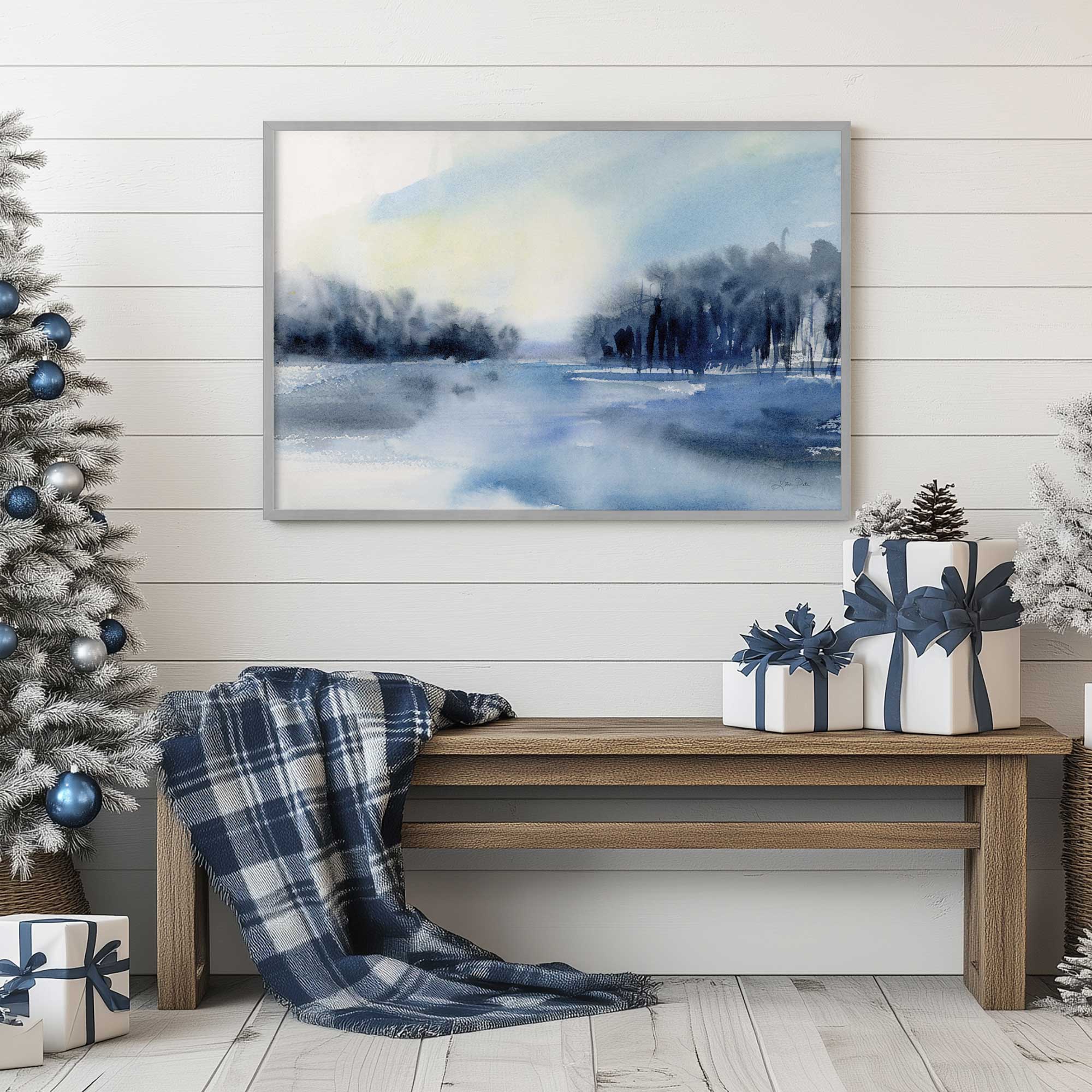
- Moody but restrained blues and grays
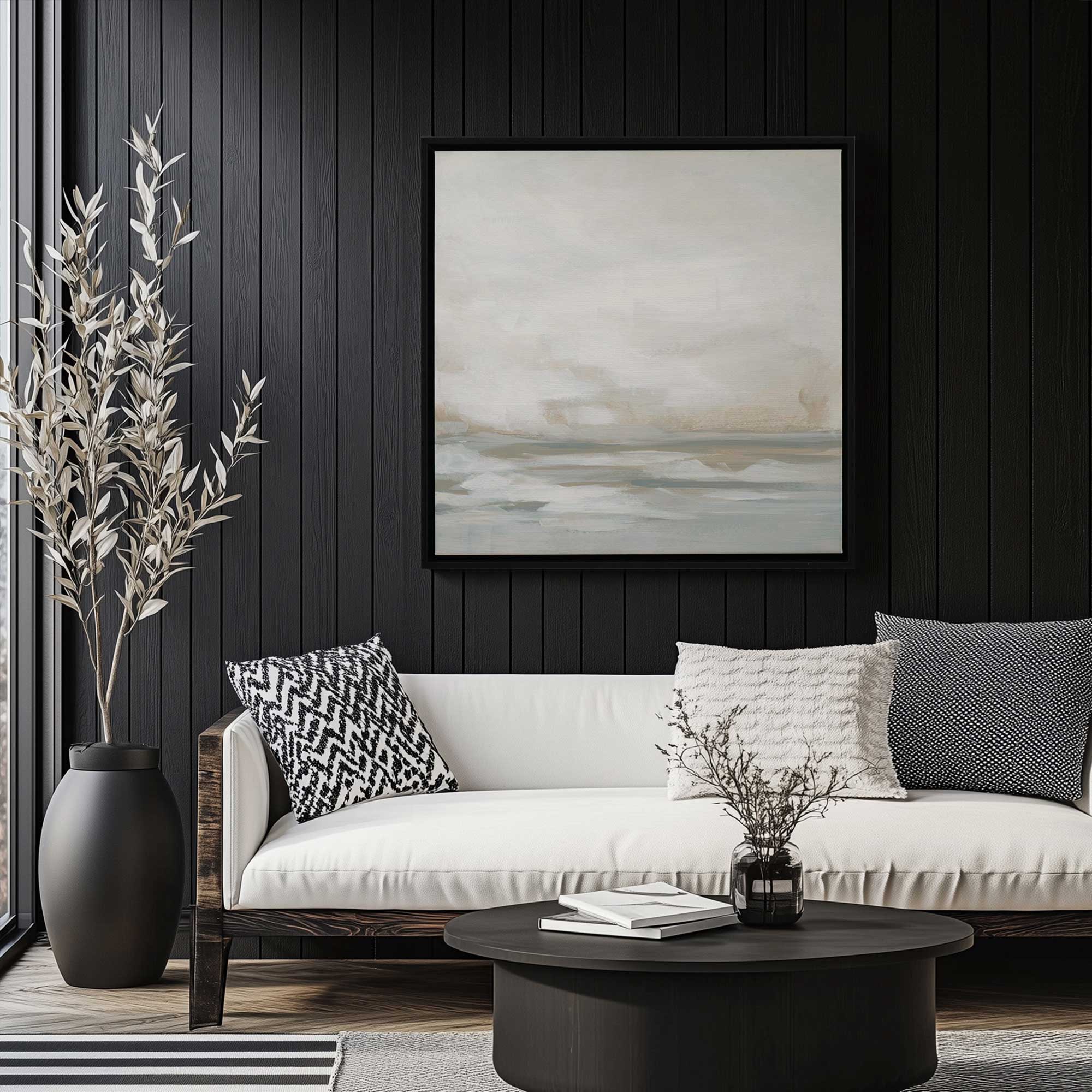
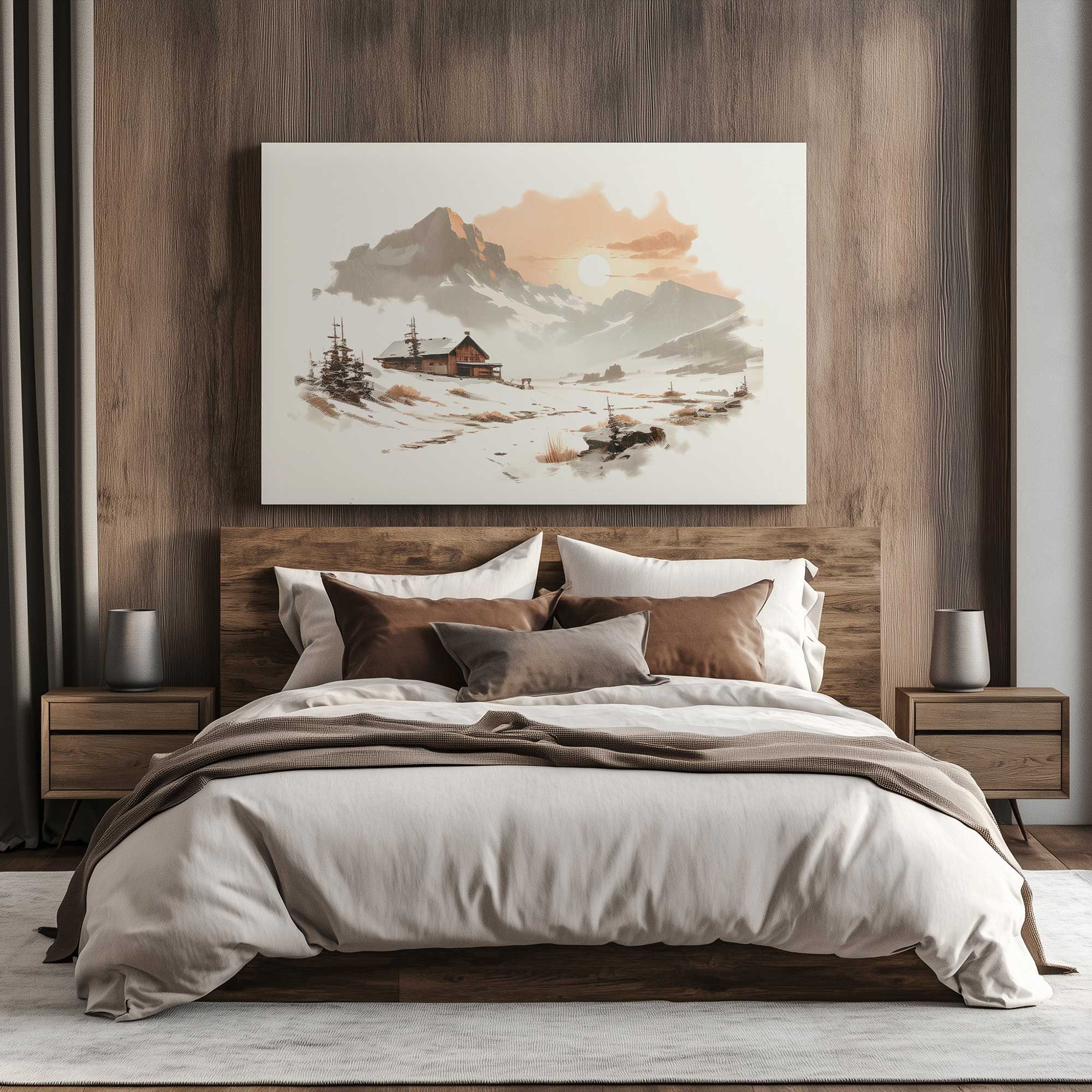
Use Texture to Add Visual Warmth
As winter settles in, texture becomes just as important visually as it does physically. Artwork that feels layered, organic, or slightly imperfect adds a sense of warmth that flat, ultra minimal pieces sometimes lack during this season. This is especially effective in rooms where daylight is reduced, such as living rooms, dining areas, and hallways. Frames play a meaningful role here. Solid wood frames naturally introduce warmth and craftsmanship, grounding the artwork and making it feel more substantial.
- Choose prints with depth, atmosphere, or organic forms
- Mix smooth artwork with pieces that feel more layered
- Opt for wood frames to soften and warm the overall look
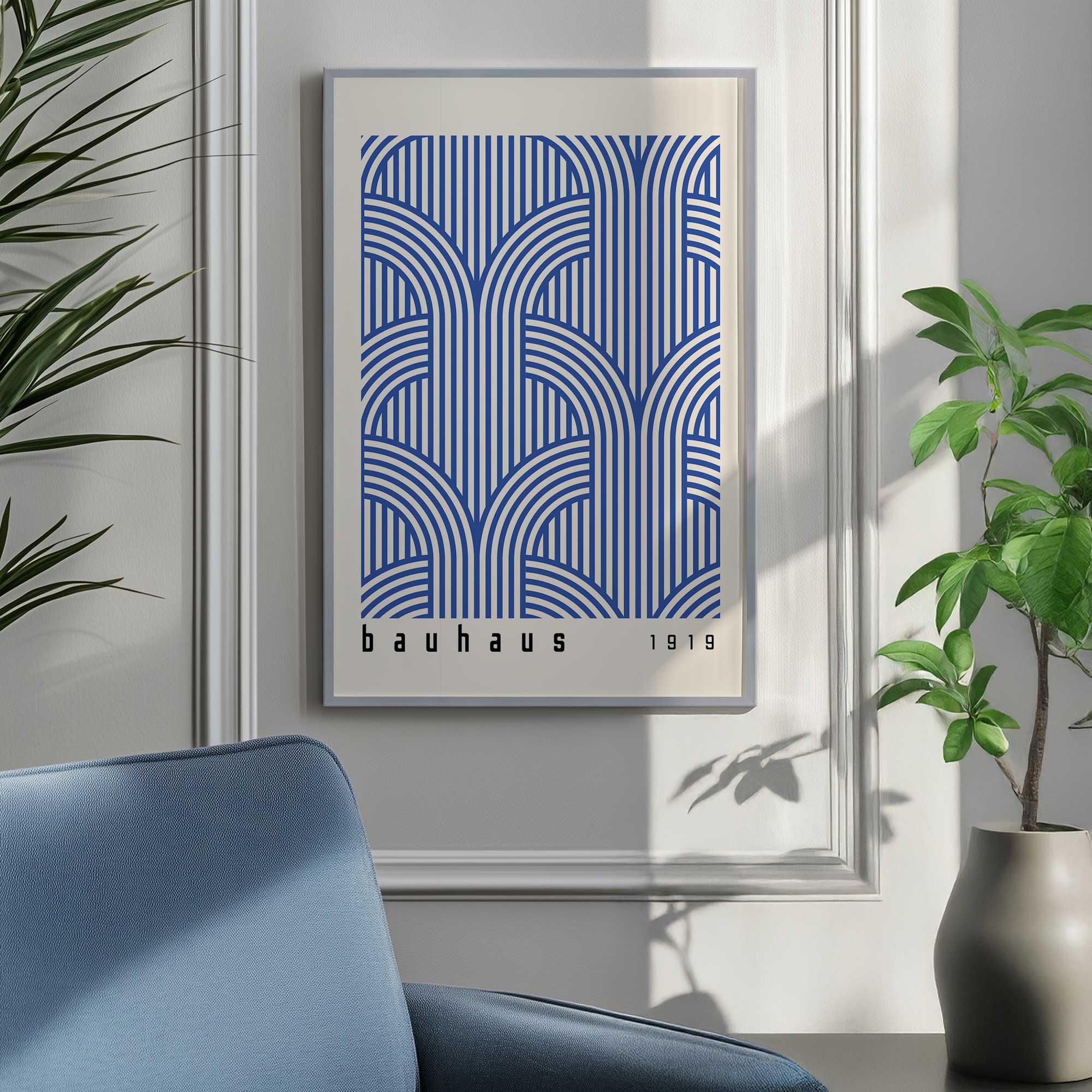
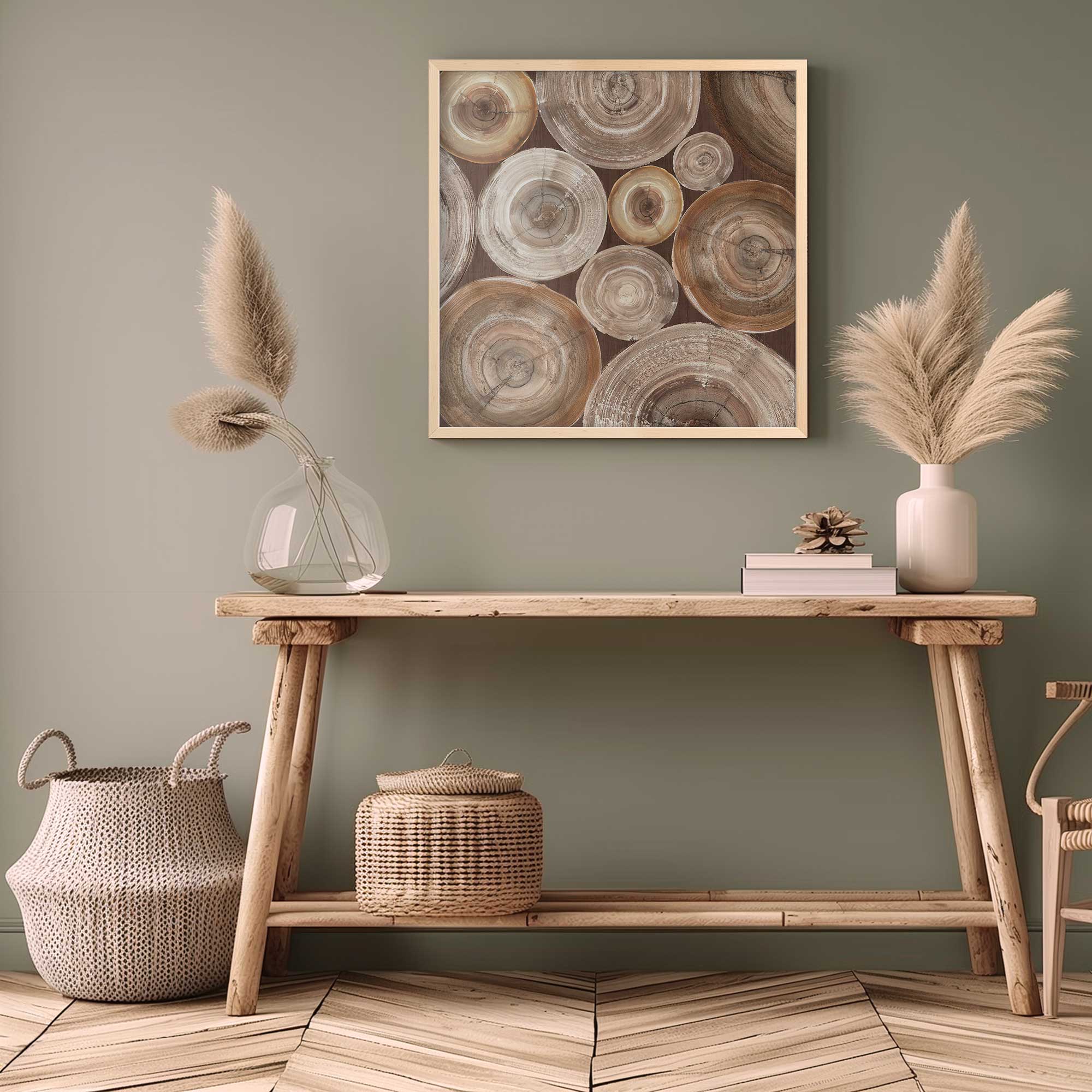
Choose Seasonal Subjects Without Being Literal
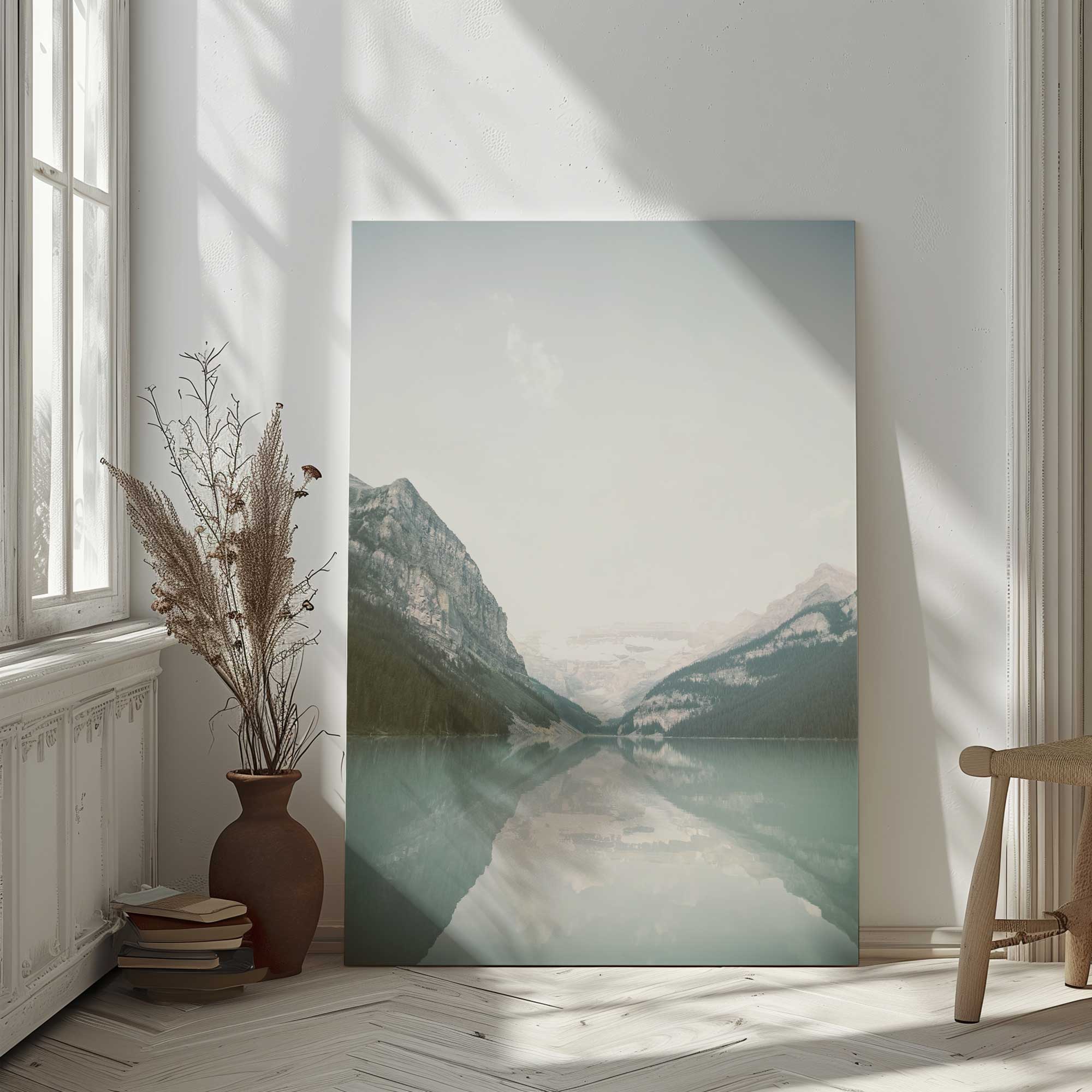
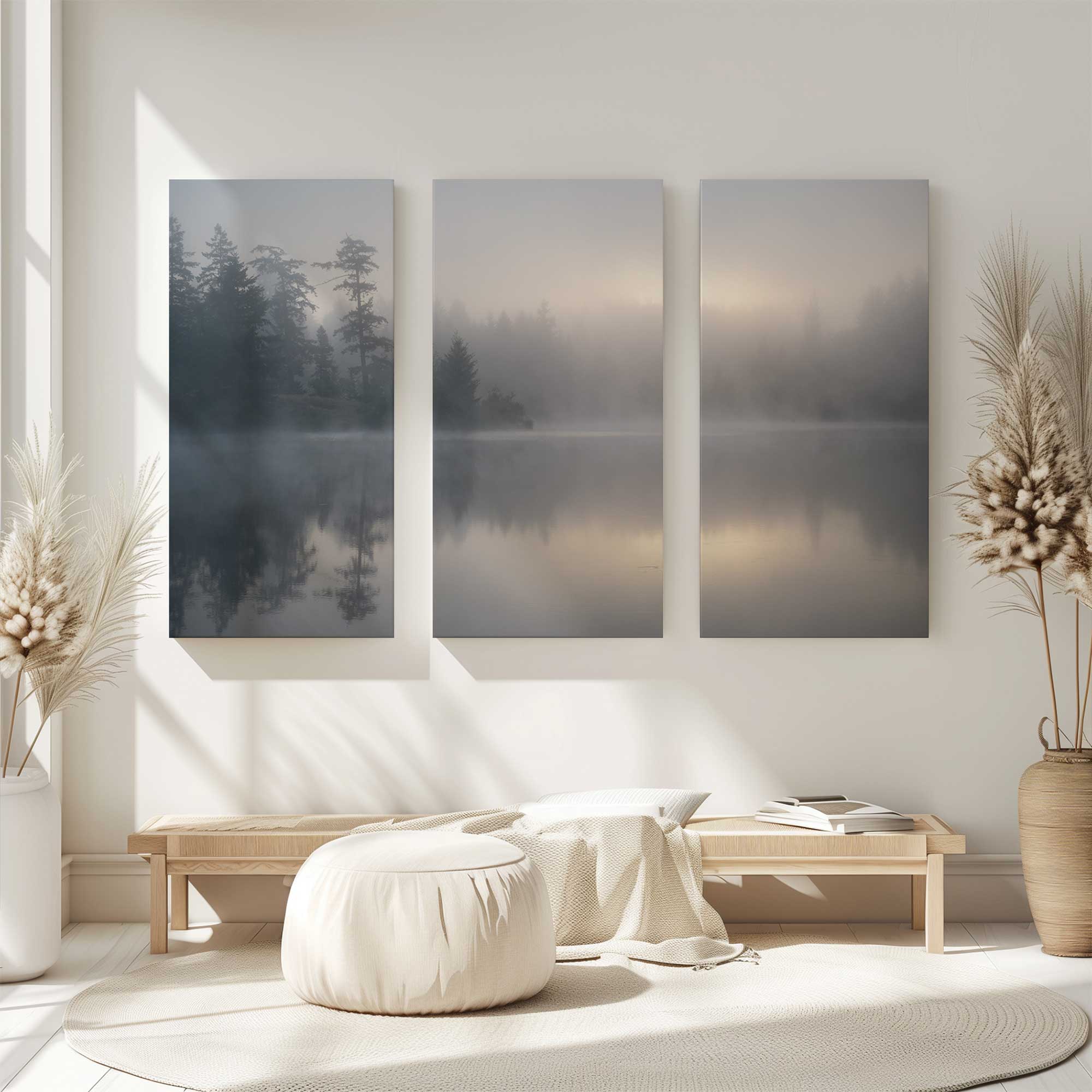
One of the most effective ways to update your wall art for winter is by shifting subject matter, rather than leaning into obvious seasonal imagery. Winter art does not need to feature snow or holiday themes to feel appropriate. In fact, subtler choices often feel more timeless and easier to live with. Artwork that feels quiet, reflective, or grounded naturally aligns with winter. Landscapes with misty horizons, architectural scenes, or simple still life compositions all bring a sense of calm that suits the season without locking your decor into a narrow window of time.
- Forests, fields, and open landscapes
- Architectural studies or subdued city scenes
- Natural still life imagery with simple compositions
Adjust Scale to Create Comfort
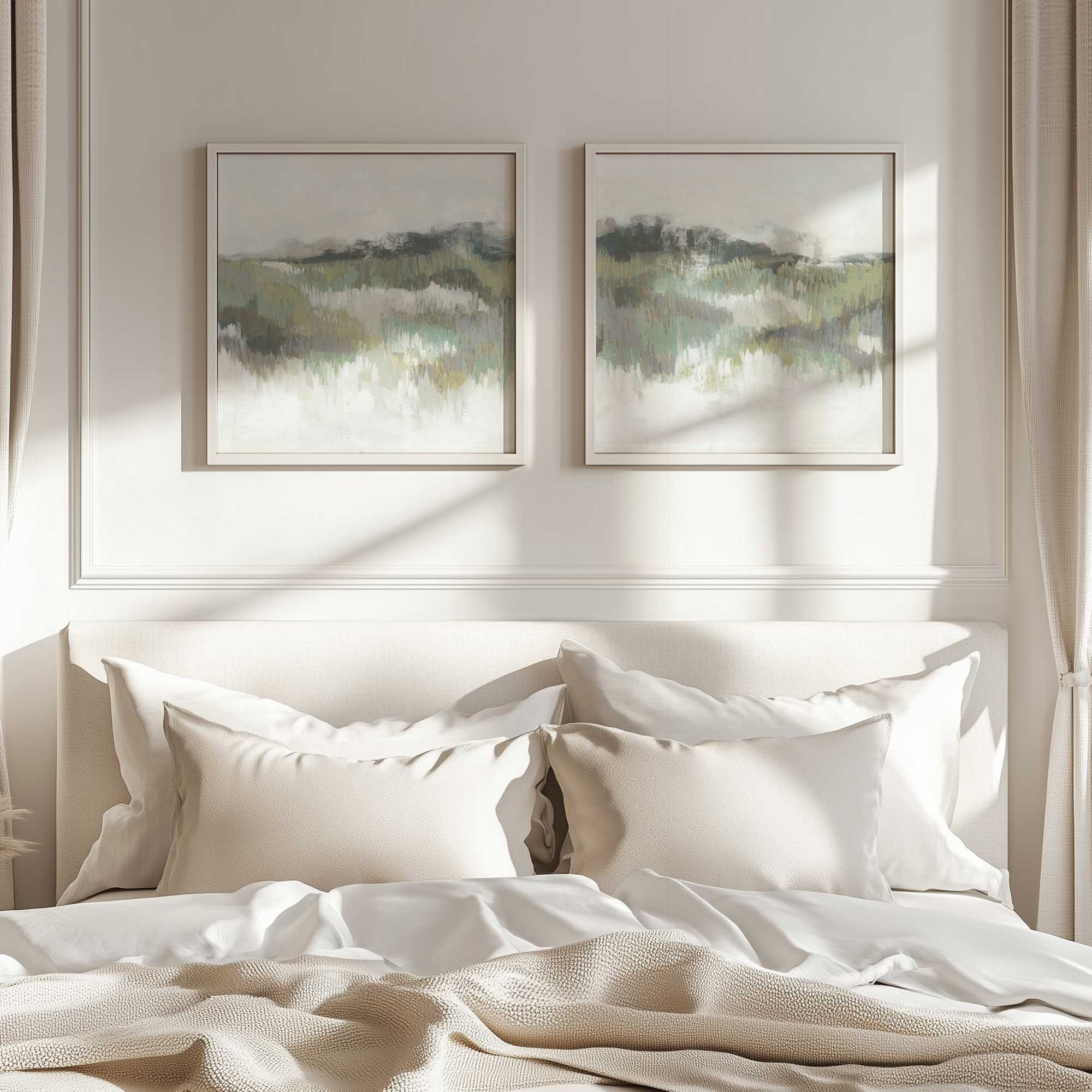
Winter is an ideal time to rethink scale, especially in rooms where you spend the most time. Larger framed art tends to feel more comforting and anchoring during colder months. It creates a sense of visual stability and reduces the need for multiple smaller pieces competing for attention. If your gallery wall feels busy, consider removing several small frames and introducing one larger focal piece instead. This approach works particularly well above sofas, beds, and dining tables, where a strong visual anchor helps the room feel complete and welcoming.
- Living rooms and family spaces
- Dining areas used more frequently in winter
- Entryways that set the tone when coming inside
Layer and Lean for a Softer Seasonal Look
Winter decorating often feels more relaxed and collected, and your wall art can reflect that. Leaning framed art on shelves, consoles, or mantels introduces a casual elegance that feels especially inviting during colder months. Layering frames allows you to mix sizes and textures while keeping the overall look cohesive. This approach also makes seasonal transitions easier. Frames can be swapped or rearranged without committing to new wall placements, which is ideal for gallery walls that evolve throughout the year.
- Keep a consistent color palette across frames
- Vary frame sizes while maintaining similar materials
- Pair framed art with mirrors to reflect available light
Keep the Transition Thoughtful and Flexible
The most successful winter wall art updates feel considered rather than dramatic. A few intentional changes can shift the mood of an entire home. Focus on warmth, balance, and artwork that encourages a slower, more comfortable pace. By choosing high quality framed art and versatile designs, your winter selections can easily carry into the rest of the year. As winter settles in, your walls can quietly support the season, creating spaces that feel welcoming, grounded, and thoughtfully styled. For more inspiration check out our winter art collection. Happy Decorating!